
Mikel Haman
hij/hem1963 – 2018
LGBTQ+ and HIV activist Mikel Haman was regarded as a colorful bridge builder. He campaigned against conversion therapy and was one of the co-initiators of Pink Sunday during the annual Kwaku Summer Festival in Amsterdam.
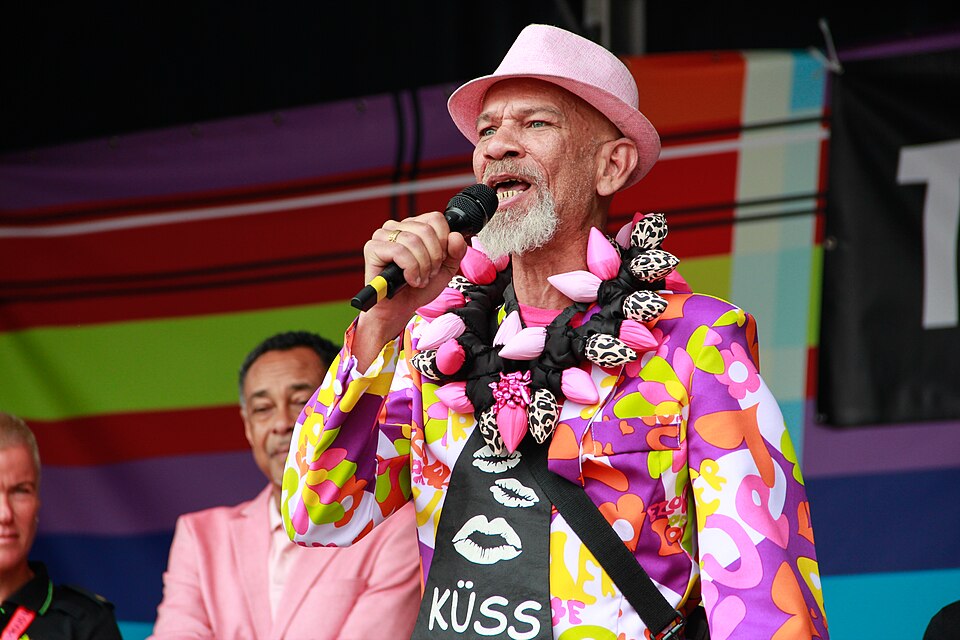
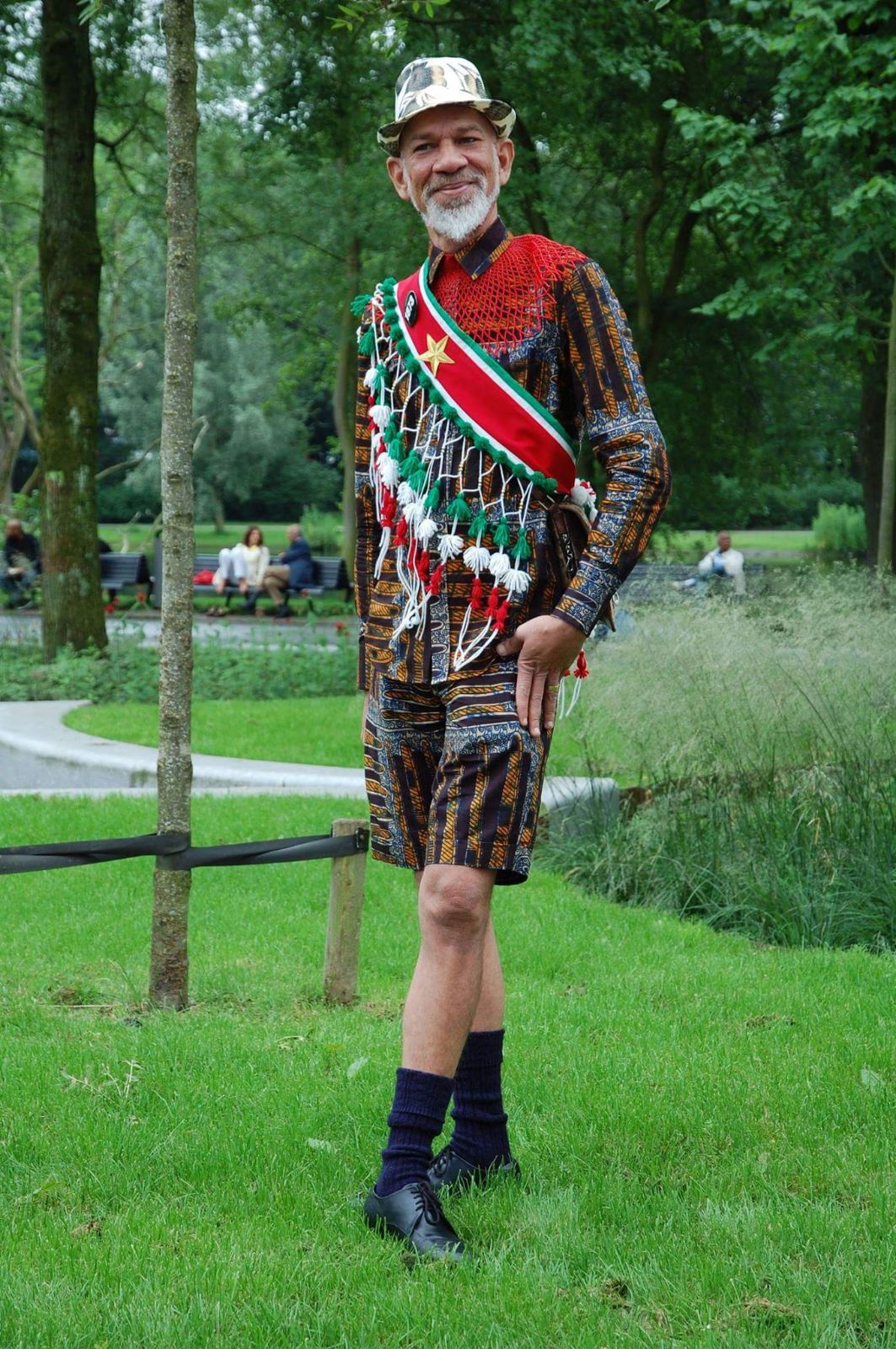
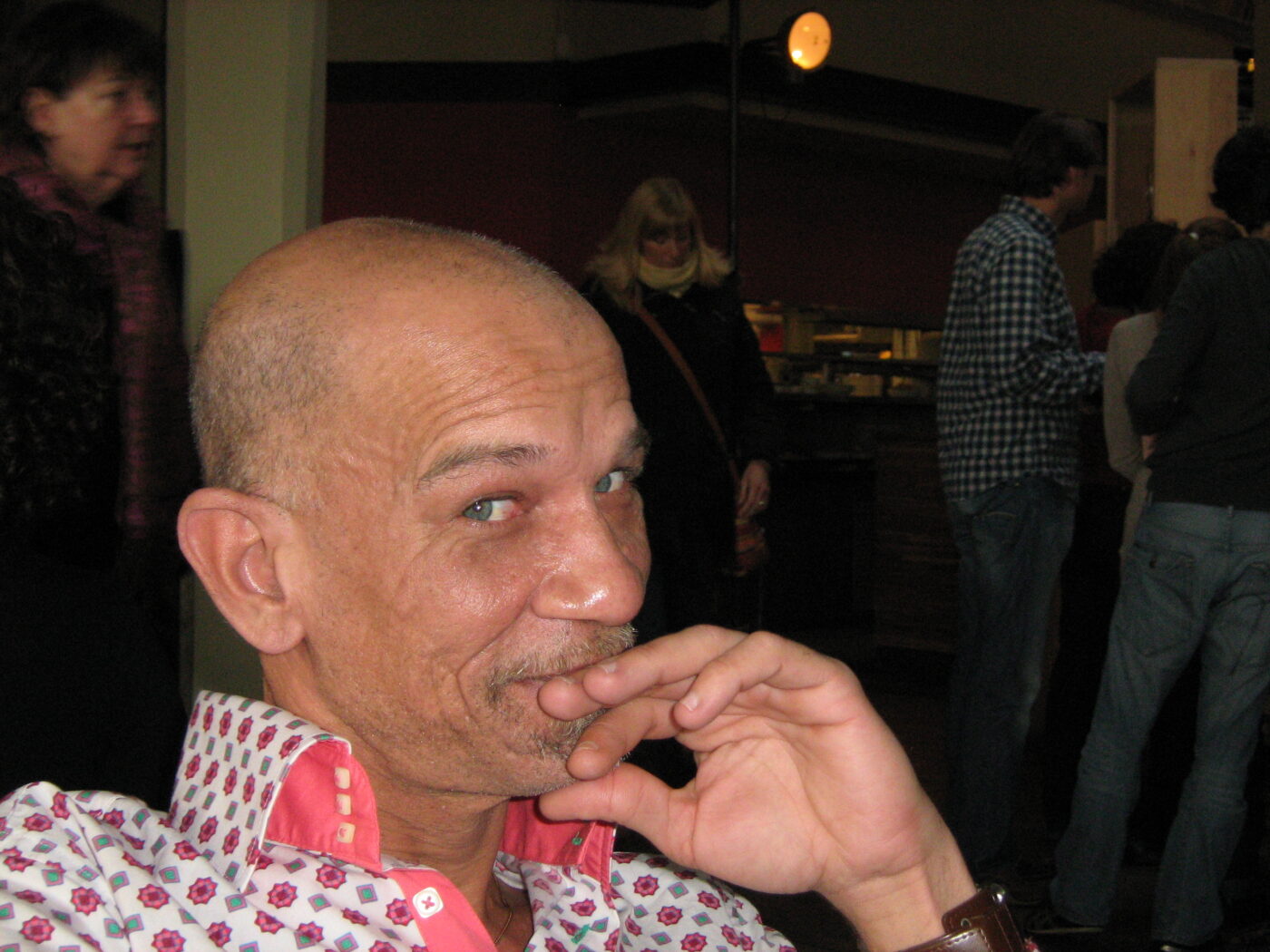
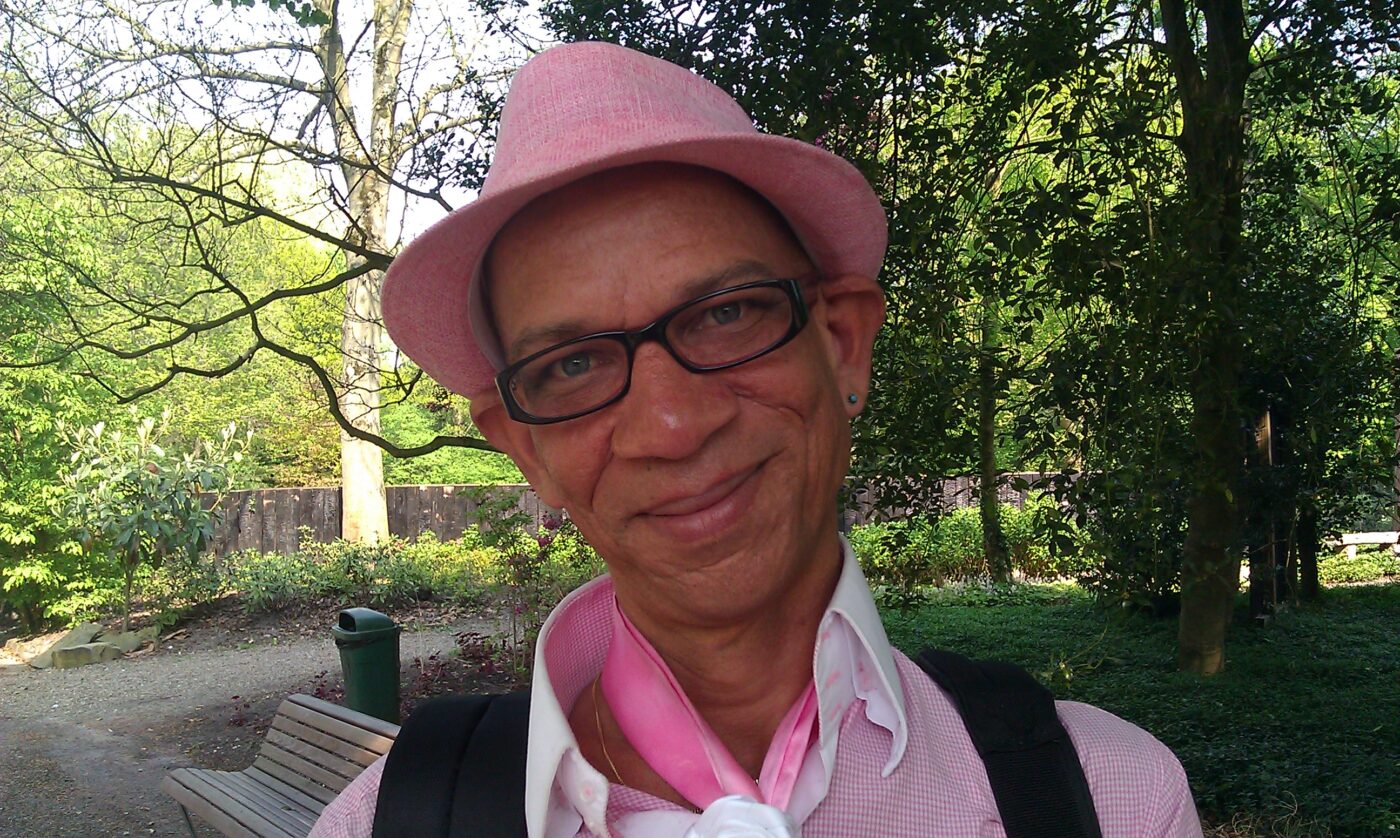
Photo credits
“Mikel Haman Roze Kwaku 2015”
Year: 2015
Collection: Public domain
Photographer: Richard Broekhuijzen
“Mikel Haman in the Amstelpark”
Year: 2010
Collection: Bob Meijs, Mikel Haman Foundation
Photographer: Bob Meijs
“Mikel Haman in Rotterdam at Hotel New York”
Year: 2010
Collection: Bob Meijs, Mikel Haman Foundation
Photographer: Bob Meijs
“Mikel Haman in the Oosterpark”
Year: 2011
Collection: Bob Meijs, Mikel Haman Foundation
Photographer: Bob Meijs
LGBTQ+ and HIV activist Mikel Haman was regarded as a colorful bridge builder. He campaigned against conversion therapy and was one of the co-initiators of Pink Sunday during the annual Kwaku Summer Festival in Amsterdam.
Biography
Author: Bob Meijs, Mikel Haman Foundation/Survibes
Born in Suriname, Mikel Haman came to the Netherlands at an early age. He worked as a dancer in musicals, ran a café in the Dutch coastal town of Wijk aan Zee, and signed on as a head waiter on a cruise ship that traveled between the Dutch port of IJmuiden and Newcastle in the UK.
From a young age, Mikel already realized he was not attracted to women. Because he grew up in a culture where homosexuality was not accepted, he struggled for a long time with his sexual orientation. Mikel: “Growing up as a child with feelings for your own sex that you don’t know what to do with quickly switches you into survival mode. That allows you to carry on and to discover who, what, and how you are. The stage of recognizing, acknowledging, and accepting all of that is often a lonely path for us.” During those years, Mikel lived a life that was not his own; he had relationships with women, but his heart “was drawn to his own sex.”
Being vulnerable
Increasingly, Mikel began to raise issues that had been kept silent within the Surinamese community in the Netherlands. The taboo on homosexuality, the widespread silence about HIV & AIDS, and the dangers of “healings” within Pentecostal churches. By making himself vulnerable and opening up about his own life, he addressed these issues as a gentle activist, specializing in making homosexuality a topic of discussion within the Surinamese and Antillean communities. The flamboyant Mikel made no secret of the fact that he was gay, attracted to men, and HIV-positive. At the same time, he understood the taboo that still surrounds homosexuality in large parts of South America and the Caribbean. He had experienced this taboo and stigma intensely himself.
Ambassador for “silent dilemmas”
Mikel could react very passionately and loudly to any injustice he observed—for example, in response to HIV “healing” practices within Pentecostal churches. In 2009, he blew the proverbial whistle on these practices in Amsterdam, which led the city to take measures. Because of his tireless efforts to make homosexuality and HIV & AIDS topics of discussion within Surinamese and Caribbean communities, the municipality of Amsterdam appointed him as an “Ambassador for silent dilemmas” in 2010. He recalled: “I have taken it on as a calling, making use of my background and experience, to be that helping hand that I never had when I needed it. Let it shine like a rainbow.”
“I came to know Mikel as a warm, kind, romantic, colorful, flamboyant person. A wonderful person, and at times also an intense one. When Mikel sensed injustice, he could flare up in full force. And he had a sharp eye for injustice, and he never failed to speak up about it—as became clear when he exposed the healing practices in Pentecostal churches.” — Bob Meijs, partner
Mikel had boundless energy to take action for what he called “the cause”: making homosexuality and HIV & AIDS discussable within the Surinamese and Caribbean communities and fighting injustice. He initiated the “Pink Sunday” program at the Kwaku Festival, an annual celebration of cultural diversity and (Surinamese) identity in the Amsterdam borough of Zuidoost. Mikel gave workshops, led discussion groups, and in 2018 founded the Survibes foundation (later renamed the Mikel Haman Foundation). In that same year, also in Amsterdam, he recorded the music video “Kom uit de kast” (Come out of the closet) with the Coronaband from Suriname and well-known figures from the Surinamese community in the Netherlands, including Denise Jannah, Jörgen Raymann, Gerda Havertong, and Jetty Mathurin. The video served as musical support for all those—young and old—who remain closeted, encouraging them to come out and live freely.
Love for Suriname
Mikel always held a deep love for both Suriname and the Netherlands, along with an unconditional belief in and struggle for respect and the freedom of choice. But alongside his activism, his life motto remained the importance of enjoying life freely and without worry. “…Enjoy life, seize the day, and make something beautiful of it. Do it without worrying, because those worries are always going to be there anyway. But when there is joy, let’s really create joy—real joy.”
Mikel Haman passed away in 2018. His name lives on in the annual Mikel Haman Award, presented to a person (of Dutch, Surinamese, or Caribbean heritage) who has made a special contribution to the position, empowerment, and emancipation of the bicultural LGBTQI+ community of color.